The Danube Delta: A Natural Wonder of Europe
The Danube Delta, located in southeastern Romania where the mighty Danube River flows into the Black Sea, is one of Europe's most remarkable natural treasures. As the second-largest river delta in Europe (after the Volga Delta) and the best-preserved, it is a UNESCO World Heritage Site and a Biosphere Reserve. This unique ecosystem is a paradise for nature lovers, scientists, and adventurers alike.
Geography and Formation
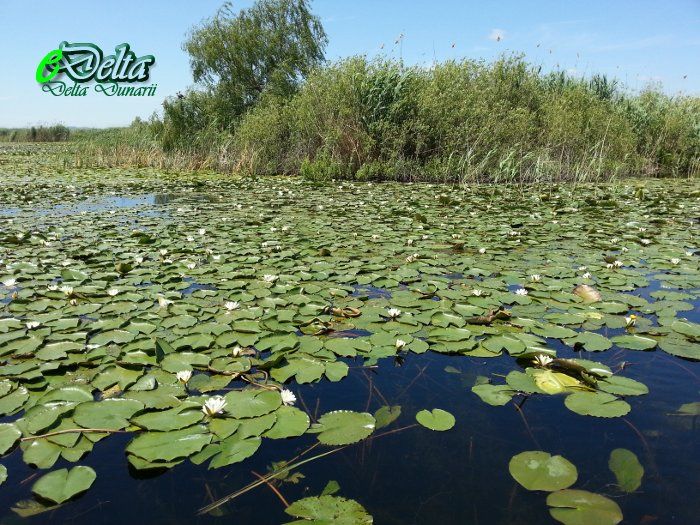
The Danube Delta spans approximately 5,800 square kilometers, with around 80% of its area in Romania and the remaining 20% in Ukraine. It was formed over thousands of years as the Danube River deposited silt and sediment at its mouth, creating a constantly evolving landscape of waterways, lakes, marshes, and forests. The delta is divided into three main branches: Chilia, Sulina, and Sfântu Gheorghe, each contributing to the delta's intricate network of channels.
Biodiversity: A Haven for Wildlife
The Danube Delta is a biodiversity hotspot, home to over 300 species of birds, 45 species of freshwater fish, and numerous mammals, reptiles, and plants. It serves as a critical habitat for migratory birds, making it one of the most important ornithological sites in the world. Iconic species such as the pelican, cormorant, and pygmy cormorant thrive here, alongside rare mammals like the European wildcat and the otter.
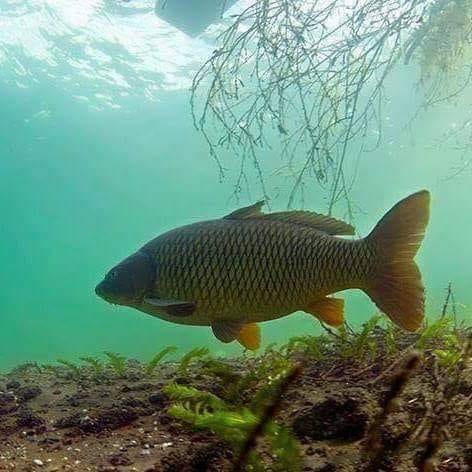
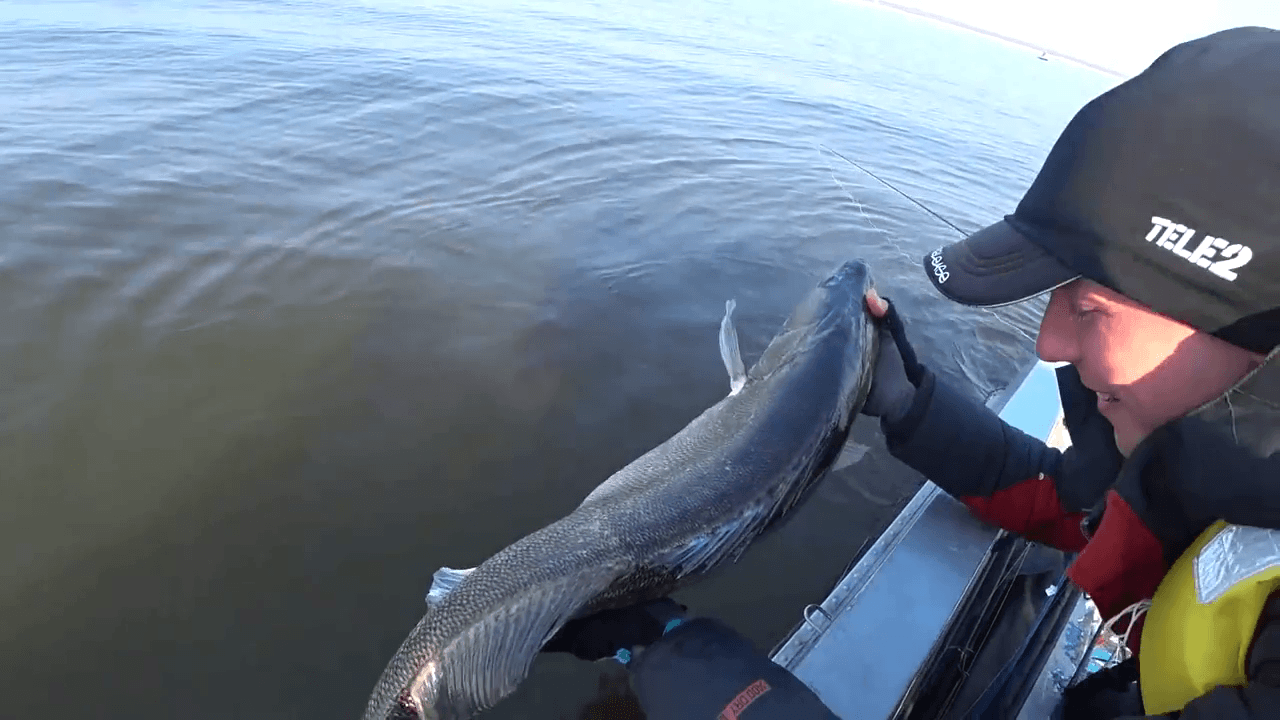
The delta's wetlands, reed beds, and floating islands provide a unique environment for countless species. Its waters are teeming with fish, including sturgeon, pike, and carp, which support both the local ecosystem and the traditional fishing communities.
Ecological Importance
The Danube Delta plays a vital role in maintaining the ecological balance of the region. Its wetlands act as natural filters, purifying water and reducing the impact of floods. The delta also serves as a carbon sink, helping to mitigate climate change. However, this fragile ecosystem faces threats from pollution, climate change, and human activities such as agriculture and tourism. Conservation efforts are essential to protect this natural wonder for future generations.
Tourism and Activities
The Danube Delta is a growing destination for eco-tourism, offering visitors a chance to experience its unspoiled beauty. Popular activities include:
-
Boat tours: Explore the labyrinth of canals and lakes, often guided by locals who share their knowledge of the area.
-
Birdwatching: With its rich avian population, the delta is a paradise for bird enthusiasts.
-
Fishing: Traditional fishing villages offer a glimpse into the delta's cultural heritage.
-
Kayaking and canoeing: For the more adventurous, paddling through the delta's waterways is an unforgettable experience.
Key destinations include the towns of Sulina and Sfântu Gheorghe, as well as the picturesque Letea Forest, Europe's northernmost subtropical forest.
Challenges and Conservation
Despite its natural beauty, the Danube Delta faces significant challenges. Pollution from upstream industries, agricultural runoff, and plastic waste threaten its delicate ecosystems. Climate change also poses a risk, with rising sea levels and changing weather patterns affecting the delta's flora and fauna. Conservation projects, such as habitat restoration and sustainable tourism initiatives, are crucial to preserving this unique environment.
Conclusion
The Danube Delta is a true natural wonder, offering a glimpse into a world where nature reigns supreme. Its breathtaking landscapes, rich biodiversity, and cultural heritage make it a must-visit destination for anyone seeking to connect with nature. However, it is our collective responsibility to protect and preserve this fragile ecosystem for generations to come. Whether you're a birdwatcher, a nature enthusiast, or simply looking for a peaceful retreat, the Danube Delta promises an unforgettable experience.